


ATC & Industrial Monitors

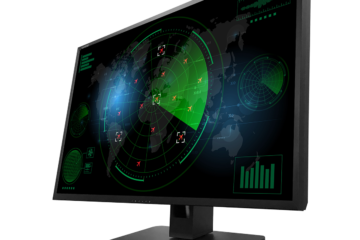
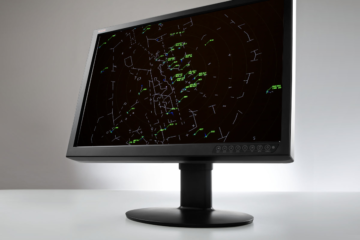
Air traffic control and other mission-critical industrial environments demand displays built for 24/7/365 operation, high brightness, and operational redundancy. These monitors focus on features like dual-input pathways, optional dual power supply, multi-window viewing, and wide-angle panel performance—because in control rooms, resilience and clarity aren’t optional.… Read More
0
Clinical & Modality Monitors

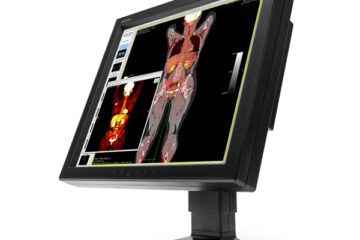
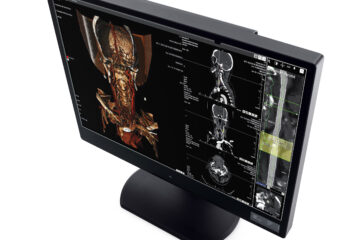
Clinical review and modality environments need displays that are dependable, easy to integrate, and consistent—often across carts, rooms, and mixed input sources. These monitors emphasize practical imaging performance (DICOM-oriented modes where applicable), stable brightness behavior, and flexible connectivity for day-to-day hospital workflows.… Read More

0
Diagnostic Monitors

Diagnostic imaging demands absolute consistency: stable luminance, accurate grayscale rendering, and repeatable calibration so subtle findings don’t get lost. These diagnostic monitors are built around embedded sensing, uniformity control, and workflow-focused features (like reading lights and presence detection) to support long reading sessions and high-throughput environments.… Read More

0
High-Tech LCD Monitors

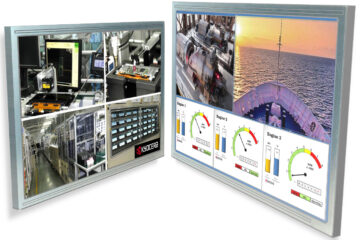
High-tech LCD monitors are precision display systems built for mission-critical environments where clarity, consistency, and reliability matter—such as medical diagnostics, clinical/modality use, aviation, air-traffic control, and security operations. A recent distribution partnership makes this monitor portfolio broadly available across the Americas through a major U.S. display division network.… Read More

0
Acoustics

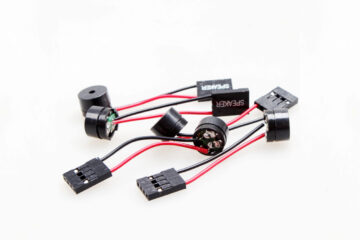
Acoustic electronic components are devices that produce sound using electronic signals. These devices are commonly used in various applications such as alarms, sirens, buzzers, and speakers. The technology behind acoustic electronic components is constantly evolving and improving, providing high-quality sound output with increased efficiency and durability.… Read More

0
Heatsinks

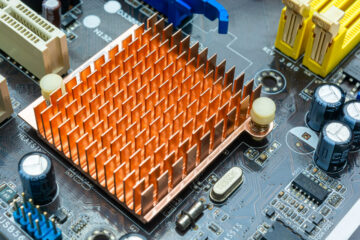
In the world of electronics, managing heat is a critical aspect that should not be overlooked. The heat generated by electronic components can affect their performance and lifespan, leading to serious problems such as overheating and malfunctioning. One of the most effective solutions to manage heat is by using heatsinks. A heatsink is a passive cooling device that dissipates heat away from electronic components and regulates their temperature. In this article, we will discuss how heatsinks work, their advantages and limitations, and their applications.… Read More

0
Connectors

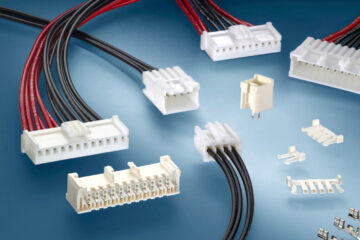
Electronic connectors are an integral part of modern technology that have revolutionized the way electronic devices are connected and operate. They allow for easy and secure connections between electronic components, and are used in a wide range of applications, from consumer electronics to medical devices and aerospace equipment. In this article, we will explore the technology behind electronic connectors, their advantages and limitations, and their various applications.… Read More

0
Planetary Gearboxes

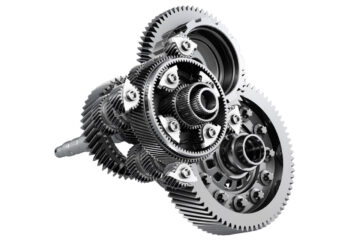
Planetary gearboxes, also known as epicyclic gearboxes, are a type of gear system used in a wide range of applications. This technology has been around for centuries and has been used in many different forms, from the earliest windmills to the most advanced industrial machinery. Planetary gearboxes are known for their compact design, high efficiency, and ability to handle high loads. In this article, we will discuss how planetary gearboxes work, their advantages and limitations, and their applications.… Read More

0
LCD Displays

Liquid Crystal Displays (LCDs) are a common type of flat-panel display used in a wide range of electronic devices, from televisions to computer monitors, smartphones, and digital watches. LCD technology has become a dominant force in the display industry due to its high resolution, low power consumption, and the ability to display a wide range of colors.… Read More

0
Speaker

From our smartphones to our cars, from our televisions to our laptops, we rely on speakers to provide us with high-quality audio. Without speakers, we would be left with only visual information, unable to enjoy the rich and immersive soundscapes that we have become so accustomed to. However, the technology behind speakers is often overlooked and underappreciated, despite its crucial role in the electronics industry.… Read More

0